Representative Projects
A selection of projects demonstrating how Pinyon Learning has helped organizations preserve expertise, build workforce capability, and support operational change across a variety of industries.
Preserve Critical Expertise
-
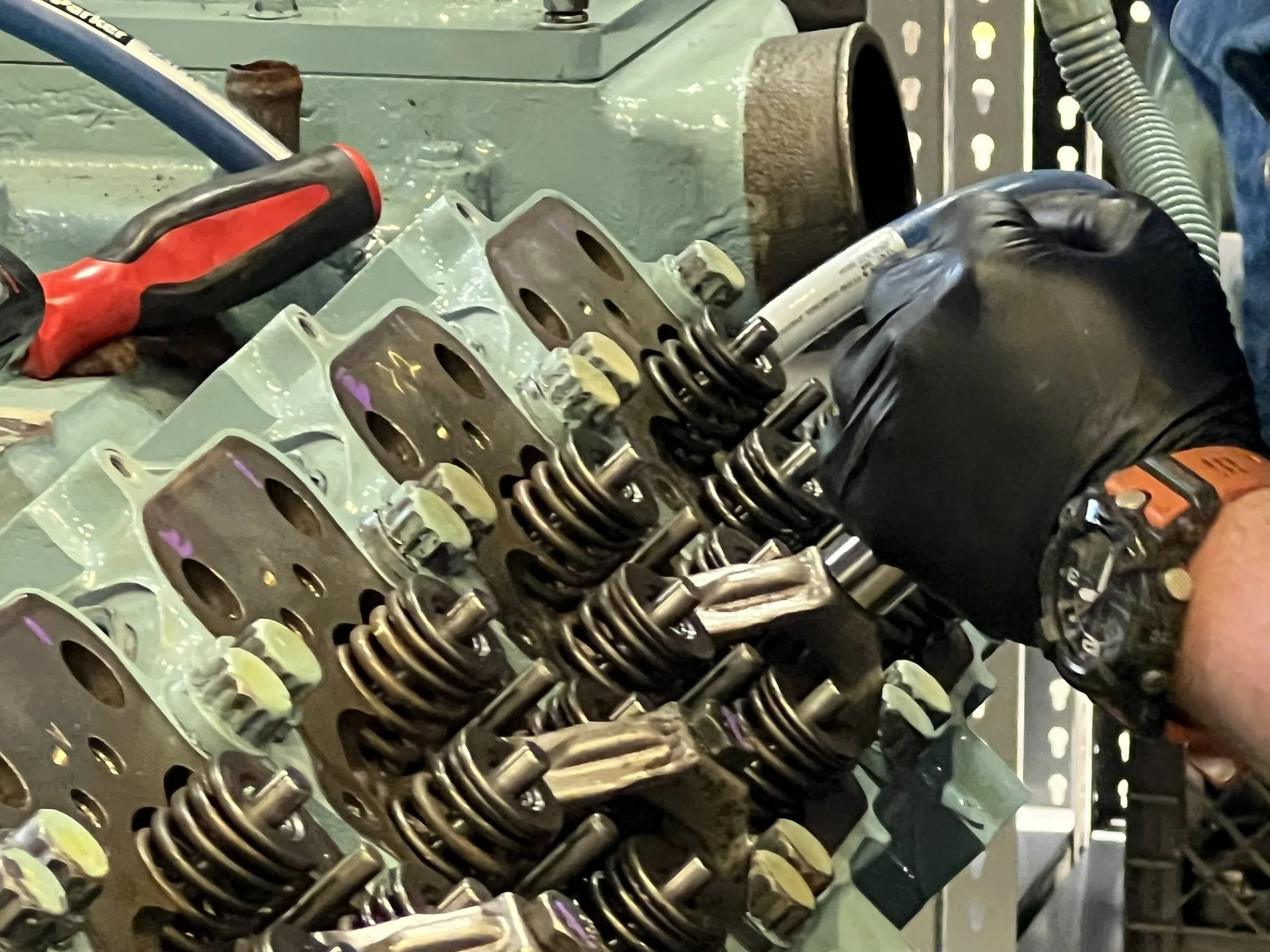
Engine Overhaul Knowledge Capture
Challenge
An engine overhaul operation faced the risk of losing decades of practical expertise as experienced technicians approached retirement. Much of the knowledge required to diagnose problems, perform repairs, and make critical maintenance decisions existed only in the experience of veteran employees.
Approach
Worked alongside experienced technicians to capture operational knowledge through interviews, observation, and structured knowledge transfer. Developed training programs, technical procedures, job aids, and certification materials that transformed individual expertise into organizational knowledge.
Outcome
Preserved critical maintenance expertise while providing future technicians with practical learning resources that improved onboarding, consistency, and long-term workforce capability.
-
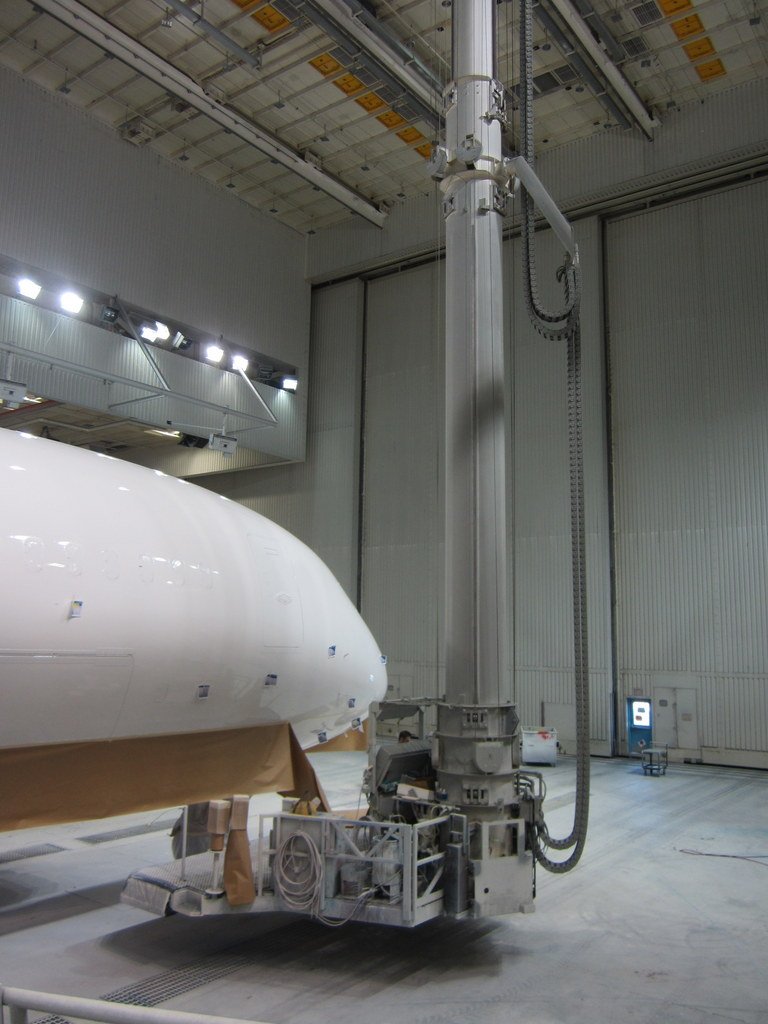
Aircraft Paint Certification & Knowledge Capture
Challenge
Experienced aircraft painters possessed specialized techniques that had been developed over years of applying complex paint systems to commercial aircraft. As the workforce evolved, that expertise needed to be standardized and transferred to new employees while supporting new operational methods.
Approach
Documented best practices through observation and collaboration with experienced painters. Combined captured expertise with front-end analysis to develop standardized procedures, instructor-led training, practical exercises, certification requirements, videos, and supporting documentation.
Outcome
Created a comprehensive workforce development program that preserved institutional knowledge while improving consistency, reducing rework, and accelerating new employee readiness.
-
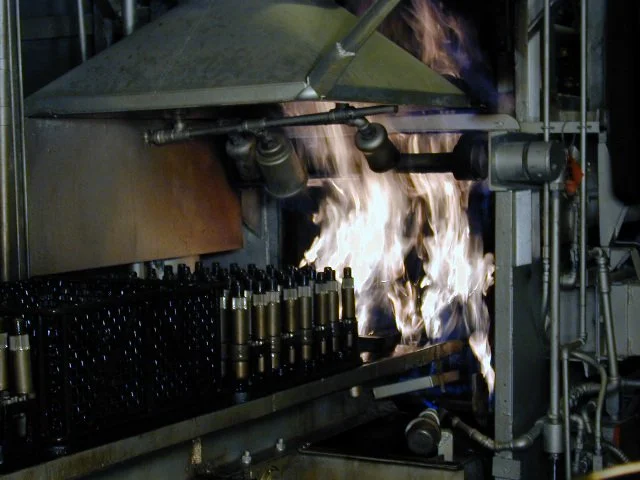
Ford Visteon Skilled Trades Knowledge Capture
Challenge
Ford Visteon faced the retirement of experienced skilled trades personnel whose knowledge was essential to maintaining complex manufacturing equipment. Critical expertise—including troubleshooting, maintenance practices, and operational knowledge for specialized production systems—existed primarily in the experience of veteran electricians, pipefitters, pyrometers, and other skilled trades employees.
Approach
Contracted retired skilled trades experts and conducted structured knowledge capture sessions to document their expertise. Converted decades of practical maintenance knowledge into Electronic Performance Support Systems (EPSS) and computer-based training covering multiple manufacturing systems, including cold parts formers, Lehr furnaces, parts furnaces, robotics, and injection molding equipment.
Outcome
Preserved critical manufacturing expertise that would otherwise have been lost through retirements, providing future maintenance personnel with practical resources that improved troubleshooting, reduced reliance on individual experts, and strengthened long-term operational capability.
-

Georgia-Pacific – Paper Mill Knowledge Capture
Challenge
Paper mills depend on highly specialized equipment and experienced operators who develop practical knowledge over many years. As experienced personnel retired and new employees entered the workforce, Georgia-Pacific needed a more effective way to preserve operational knowledge and prepare employees to safely and consistently operate complex mill equipment.
Approach
Worked with experienced mill personnel to capture operational knowledge and transform paper-based instructional materials into structured instructor-led training. Organized complex equipment operation, manufacturing processes, troubleshooting practices, and safety procedures into practical learning experiences that reflected how work was actually performed on the mill floor.
Outcome
Created standardized training that preserved valuable operational knowledge while improving the consistency of workforce development. The program provided new employees with a stronger foundation for learning complex paper mill operations and reduced reliance on informal, person-to-person knowledge transfer.
Build Workforce Capability
-
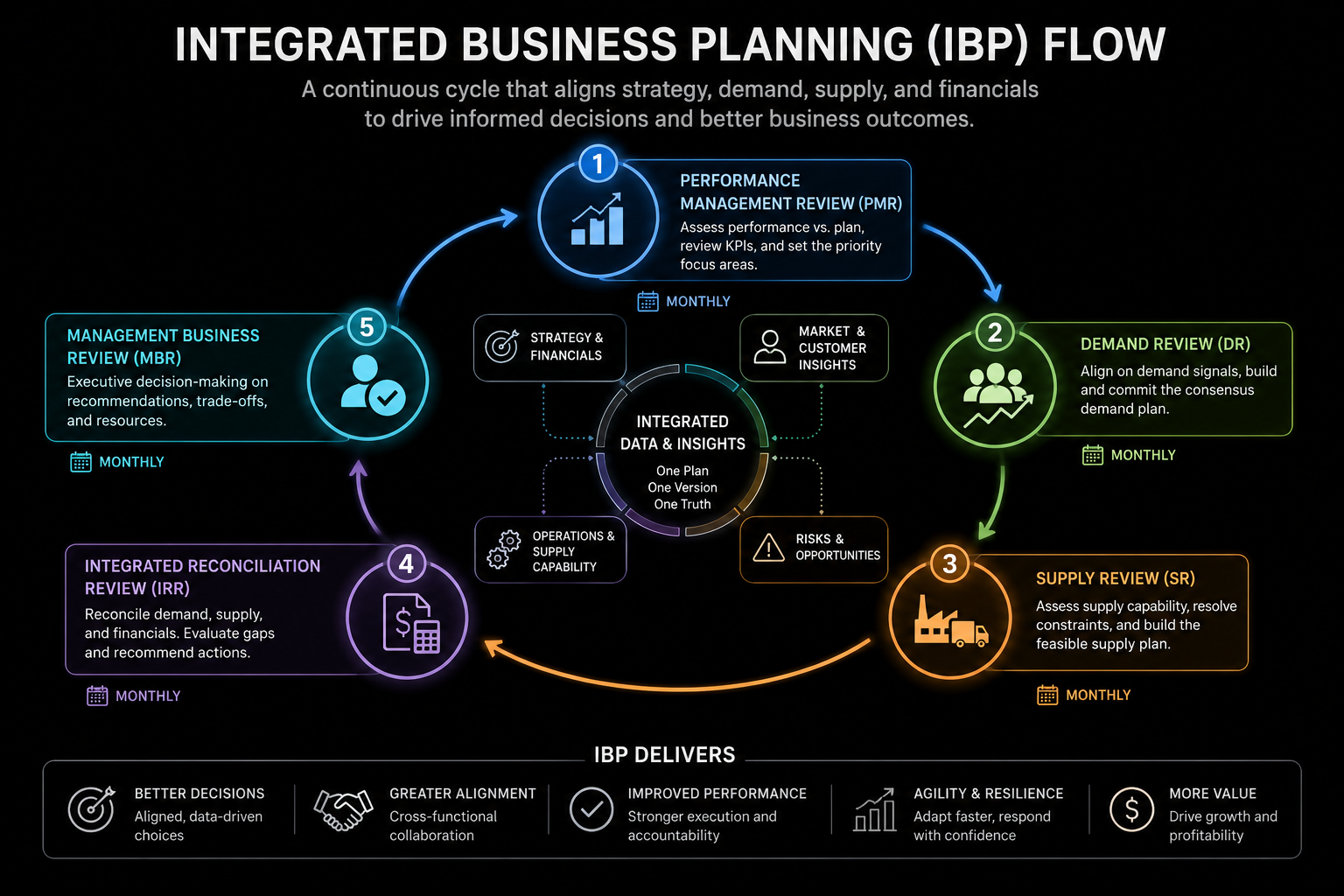
Kraft Heinz – Integrated Business Planning (IBP)
Challenge
Kraft Heinz was implementing Integrated Business Planning (IBP) across the organization, requiring leaders and cross-functional teams to understand a new planning process, common terminology, decision-making framework, and their respective roles within the IBP cycle.
Approach
Partnered with business leaders and subject matter experts to translate complex planning concepts into engaging learning experiences. Designed scenario-based e-learning that connected IBP principles to realistic business decisions, helping learners understand both the process and the reasoning behind it.
Outcome
Delivered scalable learning that supported consistent understanding of Integrated Business Planning across multiple business functions, helping employees make more informed decisions using a shared planning framework.
-
Microsoft – Worldwide Sales Readiness
Challenge
Each year, Microsoft introduces new products, technologies, sales strategies, and business priorities that must be communicated consistently to sales organizations around the world. The scale and pace of change require learning solutions that can rapidly prepare thousands of employees.
Approach
Collaborated with product managers, business leaders, and technical subject matter experts to develop learning supporting worldwide sales readiness initiatives. Designed role-based training that transformed complex technical and business information into practical learning experiences for global audiences.
Outcome
Supported worldwide readiness by helping sales organizations quickly understand and apply new products, messaging, and business priorities through scalable learning solutions.
-
Government & Emergency Response: ALERT – WMD Responder Blended Learning Program
Challenge
The WMD-REALITI program provided extensive university-level education and hands-on laboratory training in chemical, biological, and radiological response. However, bringing military and civilian responders to Pennsylvania for the entire program required significant travel, lodging, and time away from their organizations. The original curriculum was intentionally intensive and included substantial classroom and laboratory instruction, creating both scheduling and cost challenges for responders and their agencies.
Approach
Analyzed the WMD-REALITI curriculum to identify chemistry, biology, and radiology content that could be taught effectively through web-based training. Adapted the selected material into ALERT, a self-paced online program responders completed before traveling to Pennsylvania. Foundational knowledge and lower-level learning objectives were moved online, while practical exercises, specialized equipment use, and higher-level performance objectives remained part of the instructor-led and hands-on experience. This approach reflected the program’s media feasibility findings, which recommended combining online instruction with classroom and laboratory training according to the type of learning required.
Outcome
Created a blended learning model that prepared responders before they arrived for onsite instruction, allowing classroom and laboratory time to focus on applied skills and practical exercises. The program reduced the number of days responders needed to spend away from their organizations, lowering travel and personnel costs while preserving the hands-on elements essential to WMD response readiness.
The underlying REALITI content was unusually substantial—not generic awareness training. It covered progressive levels of chemistry, biology, and radiology, including laboratory procedures, agent recognition, hazardous materials, analytical methods, and the interpretation of unknown substances.
-
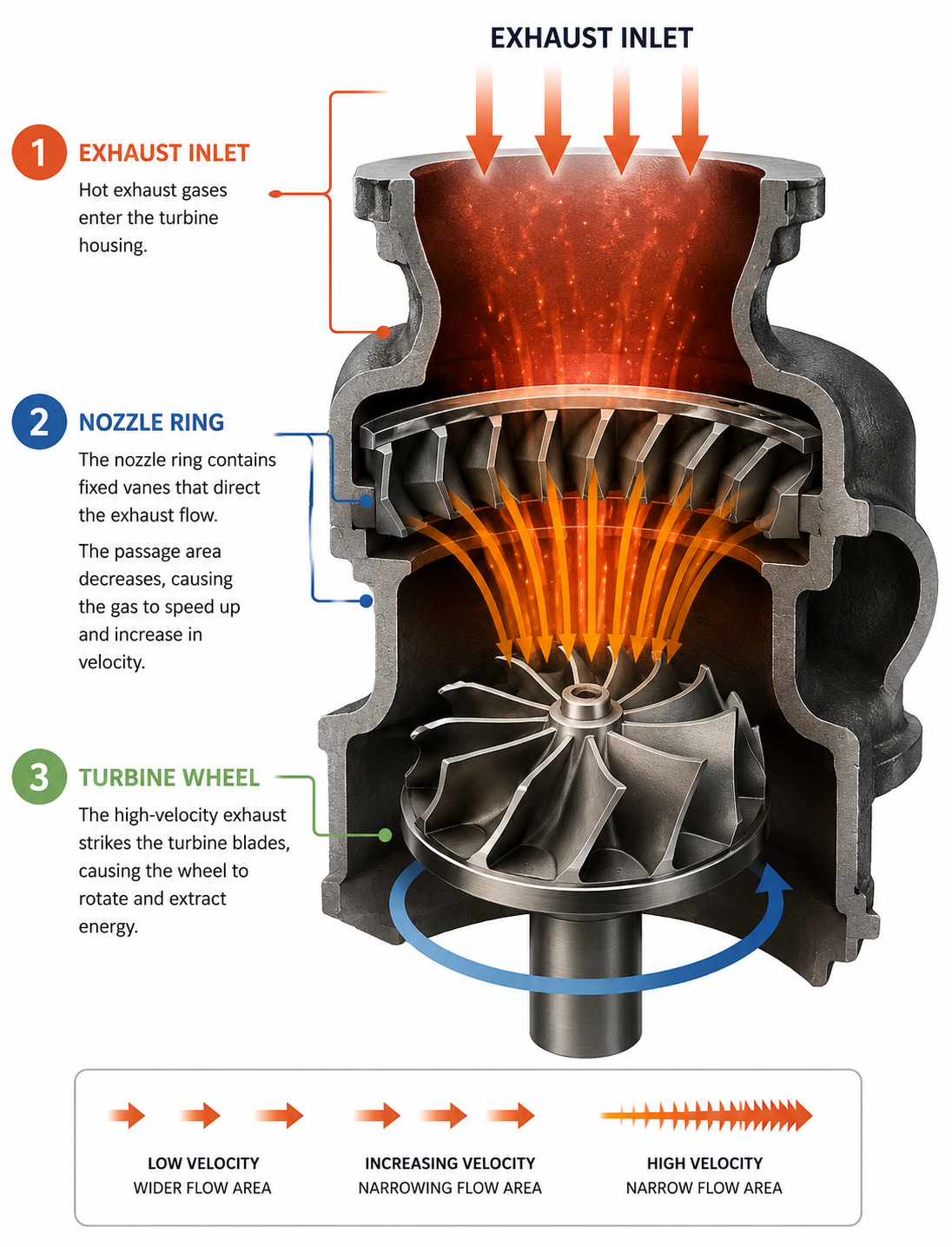
Turbocharger Technical Training Program
Challenge
Marine and stationary power generation technicians require specialized knowledge to safely inspect, maintain, and service high-performance turbochargers. Existing training needed to better support both foundational knowledge and hands-on field application.
Approach
Designed a blended learning program combining self-paced e-learning with instructor-led technical training. Worked with experienced technicians and engineers to develop practical instruction covering turbocharger theory, inspection, maintenance, troubleshooting, safety, and hands-on service procedures.
Outcome
Created a comprehensive technical training program that helps technicians build confidence, improve consistency, and safely perform turbocharger maintenance in demanding industrial environments.
Organizational Change and Transformation
-
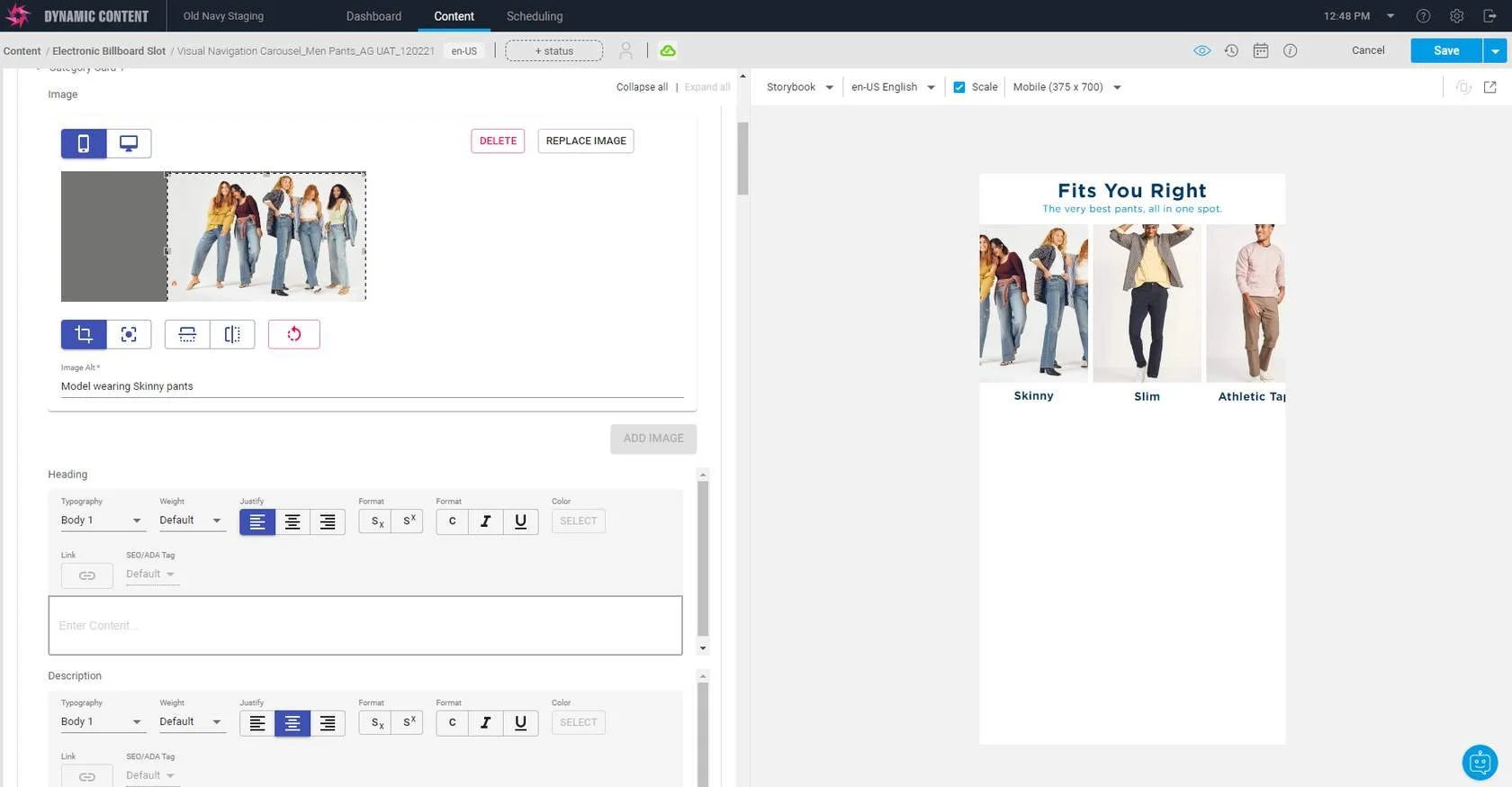
Gap Inc. — Enterprise CMS Migration
Challenge
Gap Inc. was implementing a new headless content management system that would standardize web production across Gap, Banana Republic, Old Navy, and Athleta. The transition required employees across multiple roles to adopt new workflows, processes, and technologies while maintaining ongoing business operations.Approach
Partnered with the transformation team and subject matter experts to develop role-based learning solutions that prepared employees for the new system and standardized ways of working. Created training materials that focused not only on system functionality, but on how day-to-day responsibilities would change.Outcome
Supported the successful rollout of a standardized enterprise content management platform by helping employees confidently transition to new workflows and operating procedures. -
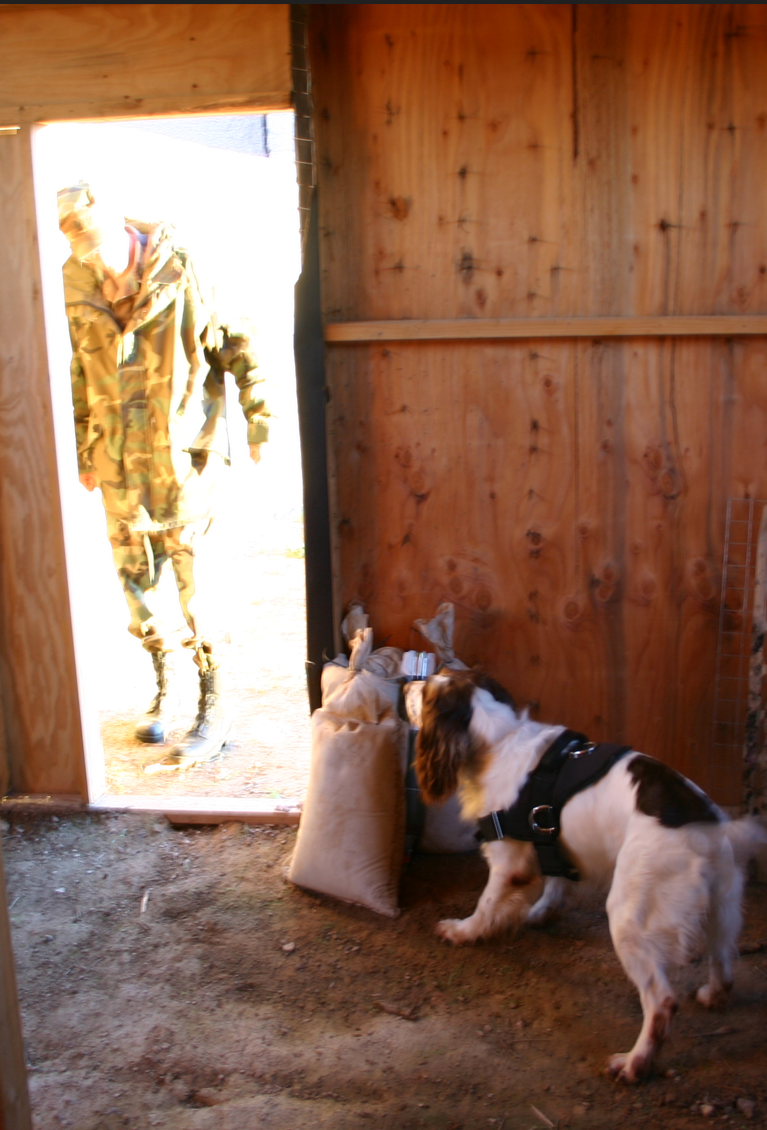
Explosive Detection Dog Training Program
Challenge
A U.S. government program required a standardized training curriculum for explosive detection dog teams that reflected domestic operational requirements while building on a proven training methodology developed in the United Kingdom.Approach
Adapted the established UK training program for U.S. operations by aligning instructional materials, learning activities, and supporting documentation with American operational practices and program requirements. Worked with subject matter experts to ensure the adapted curriculum met mission needs while preserving the strengths of the original approach.Outcome
Delivered a comprehensive training program that enabled consistent implementation of a proven operational methodology within a new organizational and operational environment. -

Global Customer Service Process Improvement
Challenge
Following a large-scale migration to cloud-based operations, a major software company needed to formalize and improve the processes supporting its global customer service network. Internal teams, external call centers, and third-party technology providers had to coordinate call routing, recorded messaging, software change requests, and support tickets across products, languages, and regions.
Approach
Interviewed internal and external stakeholders to map existing workflows, identify gaps, and design more efficient processes. Worked with a retiring subject matter expert to document and formalize a software handoff process for large change requests. Also analyzed third-party support tickets and developed a structured Microsoft Forms intake tool that automatically created Azure DevOps work items populated with the information needed for faster review and prioritization.
Outcome
Created clearer, more consistent workflows for submitting, assessing, and managing software improvement requests. The redesigned processes reduced incomplete submissions, improved coordination among internal and external teams, and helped the organization respond more efficiently to changes affecting its global customer service operation.
-
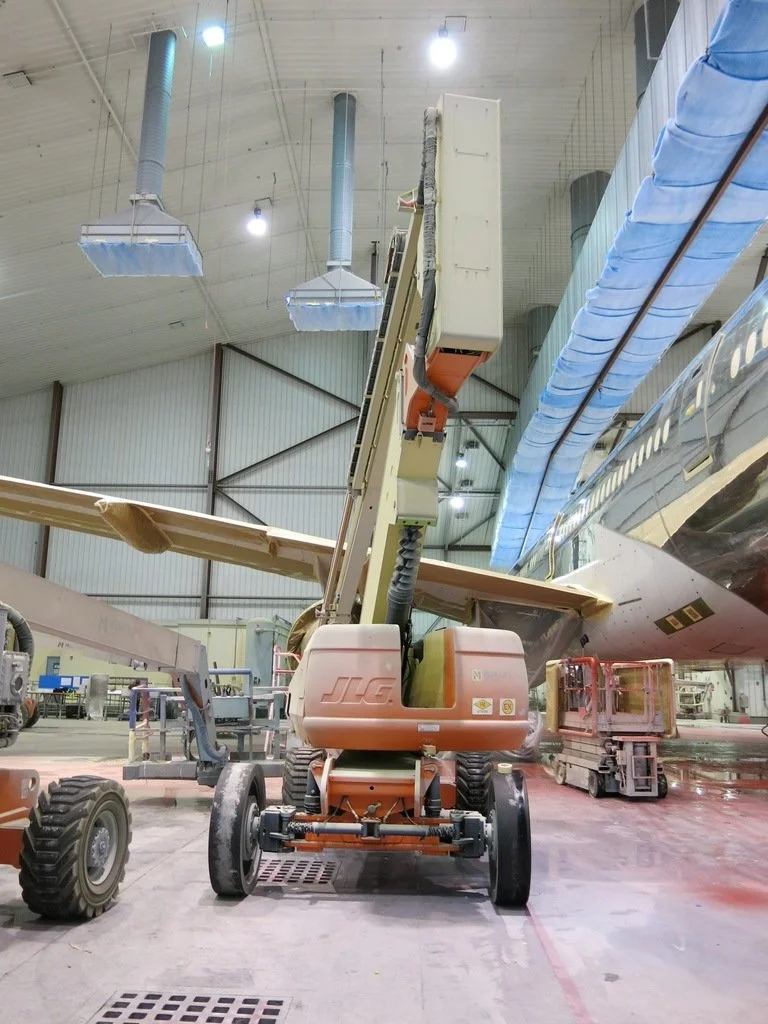
Aircraft Paint Process Transition
Challenge
The opening of a new aircraft paint hangar introduced new equipment, work methods, and safety requirements. Experienced painters needed to transition from traditional stackers to boom and scissor lifts while preparing newly hired employees to work effectively in the new environment.Approach
Conducted front-end analysis, benchmarked best practices at another facility, and collaborated with experienced painters to develop a comprehensive training and certification program. Created classroom instruction, practical labs, procedures, videos, and job aids supporting both experienced employees and new hires.Outcome
Enabled a smooth transition to new painting operations while improving consistency, supporting workforce readiness, and establishing standardized training for future employees.